
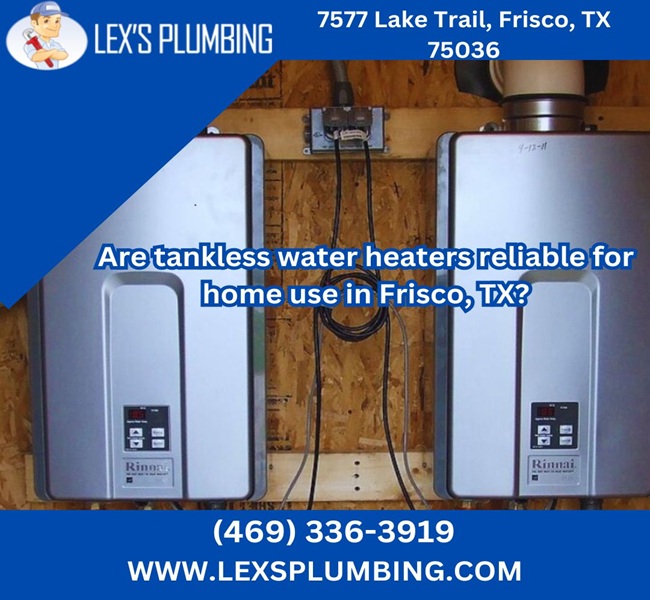
Yes, tankless water heaters are reliable for home use and offer distinct advantages over traditional tank systems when properly installed and maintained. Homeowners in Frisco increasingly turn to tankless models for their efficiency, longevity, and performance. However, reliability depends on several key factors including water quality, professional installation, and regular maintenance. A qualified plumber can help you understand these elements and make an informed decision about whether a tankless system suits your household needs and long-term expectations.

Are Tankless Water Heaters Reliable for Home Use?
What Makes a Tankless Water Heater Reliable
Tankless water heaters function on fundamentally different principles than traditional storage tank models. Instead of continuously heating and reheating water in a large tank, tankless units heat water on demand as it flows through the system. This approach reduces energy waste and minimizes many failure points associated with older technology.
Key Components That Determine Longevity
The reliability of a tankless water heater hinges on several critical components working together seamlessly. The heat exchanger sits at the core of the system, transferring thermal energy to water as it passes through. High-quality stainless steel heat exchangers resist corrosion and degradation far better than traditional tank materials. The flow sensor detects water movement and triggers the burner or heating element, ensuring systems operate only when needed. Modern tankless units also feature advanced circuit boards that regulate temperature, monitor safety parameters, and protect against overheating. When you need Water Heater Repair & Install services, understanding these components helps you communicate effectively with qualified technicians about your system’s needs.
Technology That Prevents Common Failures
Contemporary tankless water heaters incorporate multiple safeguards that enhance reliability. Condensing technology captures waste heat that older units lose, improving efficiency while reducing stress on components. Modulating burners adjust flame intensity based on demand, preventing thermal shock and extending equipment lifespan. Advanced filtration systems protect the heat exchanger from sediment and debris that cause blockages. Temperature regulation technology maintains consistent water output even when incoming supply temperature fluctuates, protecting against the scalding risks that plagued earlier generations of tankless models.
Common Reliability Concerns Homeowners Have
Potential buyers often raise legitimate questions about tankless reliability before committing to a purchase. Understanding these concerns helps clarify what separates myths from genuine considerations.
Performance in Hard Water Environments
Frisco and surrounding areas experience moderately hard water, meaning mineral content exceeds what many regions experience. Hard water minerals like calcium and magnesium accumulate inside heat exchangers over time, reducing efficiency and creating reliability concerns. This is not a tankless-specific problem. Traditional tanks suffer identical issues but hide mineral buildup inside opaque containers. Tankless systems make mineral accumulation visible and addressable. Regular descaling with approved solutions prevents mineral buildup from compromising performance. Professional technicians understand descaling requirements and can maintain systems proactively, protecting your investment.
Scaling and Mineral Buildup Issues
Mineral scaling represents the most common reliability challenge for tankless water heater owners in hard water areas. As water heats, minerals precipitate and form crusty deposits on heat exchanger surfaces. This reduces heat transfer efficiency, causing the system to work harder and consume more energy. Left unchecked, scaling eventually forces components to operate beyond safe temperature ranges, triggering safety shutdowns. However, this problem is entirely preventable through professional maintenance. Annual descaling performed by licensed technicians removes mineral buildup before it compromises reliability. Many homeowners pair tankless installations with Water Filtration Services, which eliminate the mineral problem entirely while improving appliance longevity across their entire plumbing system.
Temperature Fluctuation Problems
Early tankless models sometimes struggled with temperature consistency, particularly when multiple outlets ran simultaneously. Modern systems have solved this problem through advanced sensor technology and modulating burner controls. Current Rinnai and Navien models maintain temperature within a few degrees across varying demand scenarios. If you experience temperature fluctuations with a newer tankless system, the issue typically points to installation problems, incorrect sizing, or a component requiring adjustment rather than a fundamental reliability flaw. A professional diagnostic inspection identifies the root cause and restores consistent performance.
| Reliability Factor | Details |
|---|---|
| Lifespan Expectancy | Tankless units last 15-20 years with proper maintenance; traditional tanks typically last 8-12 years |
| Maintenance Demands | Annual descaling in hard water areas; professional inspection every 1-2 years prevents issues before they develop |
| Component Durability | Stainless steel heat exchangers resist corrosion; continuous heating cycles in tanks create more wear points |
| Failure Mode | Gradual performance decline with visible signs; traditional tanks often fail suddenly with catastrophic leaks |
| Water Quality Impact | Hard water minerals affect both systems equally; mineral removal solutions benefit entire plumbing system |
How Tankless Stacks Up Against Traditional Tank Water Heaters
Comparing tankless and traditional storage tank systems reveals why reliability often favors tankless models for homeowners prioritizing long-term performance.
Reliability Comparison: Lifespan and Durability
Tankless water heaters typically last 15 to 20 years with regular professional maintenance. Traditional storage tank systems generally reach end of life between 8 and 12 years. This substantial difference reflects the fundamental design advantage of on-demand heating. Tank systems experience continuous stress from heating and reheating water cycles, even during periods of low or no use. This constant thermal cycling degrades metal and internal components progressively. Tankless models avoid this repeated stress since burners activate only when hot water is actually needed. Metal components in tankless systems experience fewer thermal cycles and less total stress over their operational life, translating to superior longevity and extended reliability.
Maintenance Demands: Which Requires Less Upkeep
Both system types require professional maintenance, but the nature of required service differs. Traditional tanks demand annual flushing to remove sediment accumulation from the tank bottom. This sediment insulates the heating element from water, reducing efficiency and accelerating corrosion. Tankless systems require descaling in hard water areas but avoid the sediment accumulation issue entirely since water doesn’t sit stagnant. Annual professional inspection catches developing issues early with either system. Advanced maintenance solutions like Hydro Jetting Services keep your entire plumbing system healthy. Overall maintenance cost and effort favor tankless models in hard water regions, since descaling is simpler and less disruptive than tank flushing.
Failure Rates: What the Data Shows
Industry data indicates tankless water heaters fail at lower rates than traditional tanks when properly maintained. A properly installed tankless unit with annual professional service experiences failure rates below 5 percent over a decade. Traditional tank systems show failure rates approaching 15 to 20 percent within the same timeframe. These statistics underscore that tankless reliability is not hypothetical or speculative. Real-world performance data confirms that homeowners choosing tankless systems and maintaining them properly experience fewer unexpected failures and longer equipment lifespan.
Why Professional Installation Matters for Reliability
Installation quality directly impacts tankless water heater reliability more than with traditional systems. Improper installation creates problems that don’t affect tank systems or manifest differently in tank-based homes.
Sizing and Water Flow Considerations
Tankless systems must be properly sized to your home’s simultaneous hot water demand. Undersized units cannot heat water quickly enough when multiple outlets run simultaneously, creating temperature drops and insufficient flow. Oversized units waste energy and money. Professional technicians assess your household’s peak demand, account for incoming water temperature in Frisco area conditions, and select appropriately sized equipment. This precision sizing ensures reliable performance across normal usage patterns. Many reliability complaints stem from undersized systems installed by contractors unfamiliar with proper load calculation procedures. A correctly sized system from a qualified installer eliminates this entire category of problems.
Venting Requirements and Safety
Tankless water heaters require proper venting to exhaust combustion byproducts safely. Venting mistakes create reliability and safety issues that don’t occur with tank systems. Incorrect venting angles, undersized piping, or placement of outdoor air intake near exhaust vents all cause system failures and potential safety hazards. Professional installation includes proper vent design, sizing, and placement according to manufacturer specifications and local plumbing codes. This expertise prevents reliability problems that homeowners cannot easily diagnose once systems are installed.
Getting a Professional Reliability Assessment
If you’re considering a tankless water heater for your Frisco home or already own one but have reliability concerns, a professional diagnostic inspection provides clarity. Licensed technicians evaluate water quality, measure flow rates, inspect heat exchanger condition, verify proper installation, and test all safety features. This comprehensive assessment identifies any issues preventing reliable operation and recommends solutions before problems escalate. A professional inspection costs significantly less than emergency repairs or unexpected replacement, making it a practical investment for peace of mind.

Next Steps: Schedule Your Water Heater Inspection
Tankless water heaters deliver genuine reliability benefits for Frisco homeowners when quality equipment, professional installation, and regular maintenance work together. Understanding what drives reliability helps you make confident decisions about your water heating system. Whether you’re evaluating tankless options or troubleshooting an existing system, professional guidance ensures you get honest answers and lasting solutions. Contact us to schedule a professional reliability assessment and discover how proper maintenance protects your investment. Our licensed technicians understand Frisco’s water conditions, local code requirements, and the specific needs of Tankless Water Heater Installation & Repair. We’re ready to help you achieve reliable, efficient hot water for years to come. Visit our website to learn more about our water heater services or request a consultation today.